
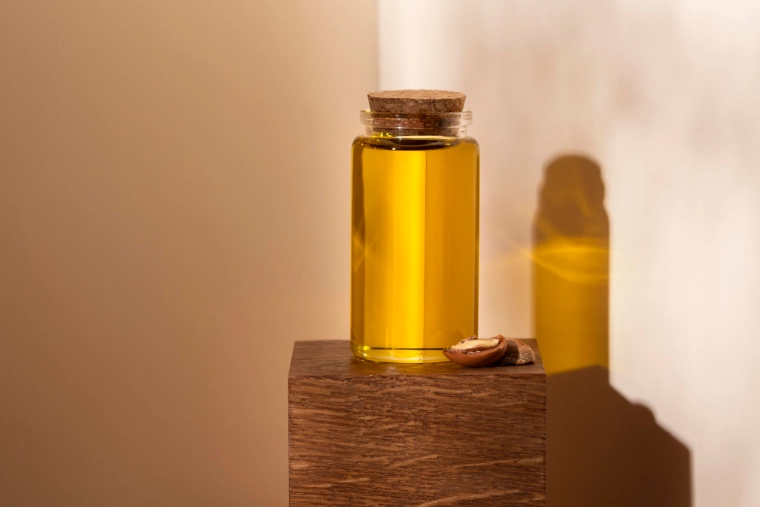
Castor oil is playing a crucial role in many industries such as cosmetics, pharmaceuticals, airplane parts, and eco-friendly plastics. As more companies are using natural materials instead of petroleum products, this oil is gaining attention from procurement managers and manufacturers worldwide.
India produces and supplies more than 90% of the world’s castor oil, and global demand continues to rise by 3–4% each year. If your business depends on sourcing raw materials, understanding this market is essential. Let's look at what castor oil is, who buys it, and how to trade it.
What Makes Castor Oil Different: The Chemistry Behind This
Castor oil comes from castor plant seeds (Ricinus communis). Manufacturers extract the oil by heating the seeds to 80-90°C and pressing them. You get 45-55% oil from each seed.
The key difference is this: Castor oil has 85-95% ricinoleic acid. This is a rare type of fatty acid with a special chemical structure (it has both a hydroxyl group and a double bond). Other oils don't have this much.
Ricinoleic acid has a special structure with a hydroxyl group (-OH) and a double bond. Because of this, you can turn castor oil into hundreds of products. The oil is thick (650-975 mPa·s at 20°C) and very stable (iodine value 81-91).
The castor plant needs little water—only 400-500mm of rain per year. The oil is biodegradable which makes it the perfect option for companies that want green materials.
The Global Demand For Castor Oil
Who Buys Castor Oil?
The world uses 750,000+ metric tons per year:
- 70% for factories making products
- 20% for cosmetics and medicines
- 10% for special lubricants
Top Buyers of Castor Oil
- USA: 100,000-120,000 MT per year
- China: 80,000-100,000 MT per year
- Europe (Germany, France, Netherlands): 150,000 MT combined
- Southeast Asia: Growing 8-10% every year
India's Role: India exports 85-90% of the world's supply. Ships out 250,000-300,000 MT yearly. Most comes from Gujarat state 700,000+ hectares of castor farms and well-established manufacturing facilities, including Modi Oil Mill.
What Are the Major Industrial Applications of Castor Oil
- Pharmaceuticals & Cosmetics: Castor oil forms the base for many oral and topical medicines. Its main fatty acid, ricinoleic acid, is known for anti-inflammatory benefits, making it a favorite in skincare formulas and lipsticks. Once hydrogenated, it gains a steady melting point of 65–70°C.
- Lubricants: Thick and slippery nature of castor oil makes it highly suitable for aviation hydraulic fluids, racing engine oils, and eco-friendly metalworking fluids that need to perform under extreme pressure.
- Coating, Paints & Inks: Dehydrated castor oil (DCO) dries fast and forms strong paint coatings which make it ideal for protective paints and alkyd resins, while castor fatty acids help printing inks dry faster.
- Polymer & Bioplastics Made by hydrogenating ricinoleic acid, it stays stable up to 200°C and works as a strong thickener in greases and plastics.
Castor Oil in International Trade: Opportunities and Challenges
How Trading Works
Prices: $1,200 to $2,200 per metric ton (FOB price). Depends on grade:
- FSG (First Special Grade) - highest quality
- Commercial - standard quality
- Pharmaceutical - medical use
Why Prices Change: India grows most castor plants. Bad rain = prices jump 40-60%. Good harvest = prices drop 20-30%.
Regulations:You'll need phytosanitary certificates, REACH compliance for Europe, FDA approval for pharmaceutical grades, and you'll face import tariffs of 0-15% depending on the country.
Quality Standards:For long-term contracts, buyers expect consistent quality. The oil must have an acid value below 2.0 mg KOH/g, moisture under 0.25%, and ricinoleic acid above 87%. Many buyers now audit suppliers for quality and traceability.
The Future of Castor Oil
Green Materials Trend: Big companies want 20-30% natural materials by 2030. Castor oil replaces petroleum in many products.
Better Farming:
- Farmer groups get fair prices
- ISCC PLUS and RSB certificates prove good sourcing
- Europe now requires these certificates
New Technology:New hybrid seeds produce 2.5-3.5 MT per hectare (old varieties only gave 1.5-2.0 MT). Supercritical CO2 extraction creates ultra-pure oil. New enzyme processes cut production costs by 15-20%.
Bottom Line
Castor oil is special because of its chemistry. It comes from a renewable source and can be effectively used in modern manufacturing industries. As green rules get tighter, bio-based material becomes standard for production companies. Modi Oil Mill has decades of experience in manufacturing high-quality castor oil. We also handle exports smoothly and deliver consistent, certified castor oil that meets your specs.
Want reliable castor oil supply? Call Modi Oil Mill at +91-88661-45068 |+91-88662-45068 . Let's talk about what you need.
FAQ
It's a unique raw material that other oils can't replace. Industries need it for specialized chemicals, polymers, and lubricants—especially companies switching to renewable materials.
The USA, China, Germany, France, the Netherlands, Japan, and Thailand buy about 65-70% of all castor oil traded worldwide.
India has perfect growing conditions in Gujarat and Rajasthan, over 200 processing plants, experienced farmers, and low production costs ($800-$1,000 per MT).
Making nylon 11 for car parts, polyurethane materials, sebacic acid for plastics, airplane lubricants, protective coatings, and specialty chemicals for textiles.
India's monsoon season and harvest, how much stock is available, demand from automotive and construction industries, crude oil prices, and currency exchange rates (especially Rupee to Dollar).
Specific gravity of 0.956-0.970, iodine value of 82-90, saponification value of 176-187, and acid value below 2.0 mg KOH/g. US pharmaceutical grades need FDA 21 CFR 172.878 compliance. Europe requires REACH registration.
