
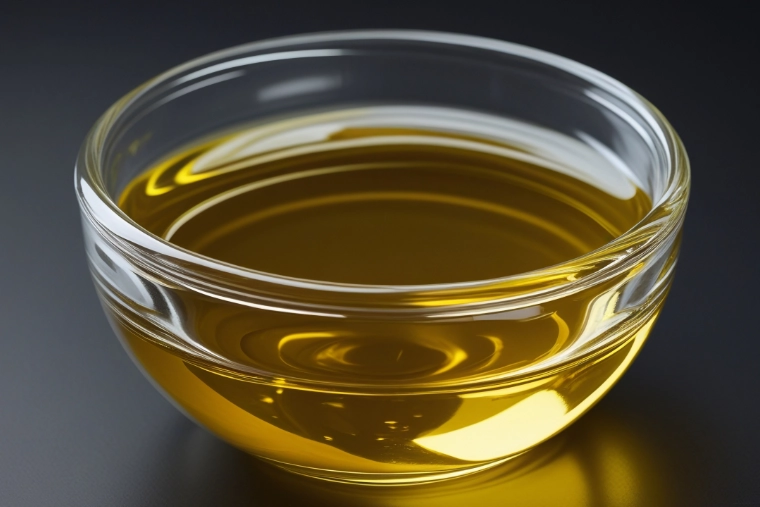
The castor oil derivatives industry is seeing rapid growth and strong future opportunities. This growing trend is clear from the market statistics below.
In 2021, the international market for castor oil and its derivatives was USD 1.21 billion. It is anticipated to grow to USD 1.94 billion by 2030. This sector is growing at 5.8% annually.
These are natural, bio-based chemicals and are used in many industries. Since more and more companies are opting for greener materials, castor oil derivatives are becoming their first choice. These derivatives are effective and are also safer for the environment.
Castor Oil Derivatives: What They Are
Castor oil derivatives are the products made from castor oil. The process starts by pressing castor seeds (Ricinus communis plant). It has high ricinoleic acid content (about 85-95%) that makes it special.
Different processes like hydrogenation, dehydration, sulfonation, and ethoxylation are used to produce various derivatives. The main products include hydrogenated castor oil (HCO), 12-hydroxystearic acid (12-HSA), dehydrated castor oil (DCO), ricinoleic acid, and several ethoxylated and sulfonated forms.
Key Types of Castor Oil Derivatives
- Hydrogenated Castor Oil (Flakes/Powder): This derivative is created through the hydrogenation process. It is used as a thickener, emulsifier, and lubricant base and has great resistance to heat.
- 12 Hydroxy Stearic Acid (12 H.S.A): It is obtained through hydrogenation and splitting of castor oil. Its main applications are- lithium grease, cosmetics, and surface treatments.
- Dehydrated Castor Oil: In this process, hydroxyl groups are removed using dehydration. This drying oil is perfect for paints, coatings, inks, and resins.
- CO/HCO Ethoxylates: These work as surfactants and emulsifiers in textile processing, metalworking fluids, and personal care products.
- Low Moisture Castor Oil: It is obtained by refining castor oil to reduce its moisture content below 0.1%. This oil is used in the pharma and cosmetic industries.
- Sulfonated Castor Oil (Turkey Red Oil - TRO): This derivative is prepared by adding a sulfonic acid group (-SO₃H) to a molecule. It is one of the earliest synthetic detergents and a wetting agent, and acts as an emulsifier in textile dyeing and leather work.
- Ricinoleic Acid: It is the main fatty acid from castor oil and is used to make surfactants, plasticizers, and specialty chemicals.
Why Nature-friendly Chemicals Are Becoming More Popular in Industries?
Increased demand for Natural Ingredients
Industries want cleaner materials; thus, they choose plant-based options. Castor oil products are safe, effective, and better for the planet.
Moving Away From Petroleum-Based Inputs
Petroleum chemicals are becoming less preferred due to price fluctuations and supply risks. Bio-based chemicals provide better stability and long-term availability.
Strong Move Toward Cleaner Choices
Strict environmental rules are making industries choose plant-based, safe materials. Castor oil derivatives fit these needs perfectly.
Industrial Applications Expanding Rapidly
- Cosmetics and Pharmaceuticals: Used in skincare, lipsticks, and medicines as emollients, emulsifiers, and carriers because they're safe for skin.
- Lubricants: Perfect for high-performance greases, metalworking fluids, and biodegradable oils due to excellent lubricity.
- Coatings, Paints, and Adhesives: Dehydrated castor oil creates flexible, durable films in paints, inks, and adhesives.
- Automotive & Manufacturing: Used in brake fluids, engine additives, foam production, and interior components.
Growing Global Exports from India
Gujarat helps India produce about 85–90% of the world’s castor oil. The state has strong setups for processing castor seeds and making high-quality derivatives. Companies like Modi Oil Mill follow global standards and support India’s growth as a leading exporter. India exports castor oil derivatives to countries like Europe, China, and the United States.
Increased R&D in Castor Oil Derivatives
R&D is making castor oil derivatives better and useful in many new applications.
- Biopolyols: Castor oil-based polyols are used to make polyurethane foams which are eco-friendly. They are used for construction, cars, and furniture.
- Biofuel Additives: Ricinoleic acid derivatives improve biodiesel performance, especially in cold weather.
- Green Solvents: Ethoxylated derivatives work as safe solvents in agriculture, cleaning products, and pharmaceuticals.
- Pharma-Grade Derivatives: High-purity ricinoleates and sebacates used in drug delivery and ointments.
- Bio-Plasticizers: Safe alternatives to phthalates for PVC, films, and medical materials.
Growth Forecast for Castor Oil Derivatives
The market will expand quickly up to 2030 and continue afterward. New uses in bioplastics, advanced materials, and specialty surfactants will create more opportunities. Companies investing in better processing technology and sustainable farming will benefit most from the growing demand.
Conclusion
The castor oil derivatives market is growing quickly. These plant-based chemicals are in high demand in industries because they work well and are better for the environment.
Want greener, high-performance castor oil derivatives ? Partner with Modi Oil Mill, India'sbest manufacturer of castor oil derivatives. We have technical expertise and can deliver quality products to meet your sustainability goals.
Contact us today at +91-88661-45068 | +91-88662-45068. Visit our website or email us to explore our castor oil derivatives range.
FAQ
More people want eco-friendly products, rules are becoming stricter, and industries are finding more ways to use these nature-friendly materials.
They are used in cosmetics, medicine, lubricants, paints, plastics, textiles, cars, and farming products.
Modi Oil Mill makes high-quality castor oil products and supplies them to many companies in India and other countries.
Common ones include hydrogenated castor oil, 12-HSA, dehydrated castor oil, ricinoleic acid, and Turkey Red Oil.
Yes, it is safe, plant-based, and better for the environment than many chemical options.
China, the United States, European countries, Japan, South Korea, Brazil, and Southeast Asian nations.
China’s demand is increasing because the country is growing quickly, producing more cosmetics and cars, and supporting eco-friendly chemicals. Since China is a major manufacturing hub, it needs more safe and sustainable materials like castor oil derivative.
Yes, they are safe when made properly and are widely used in these products.
